
Can Sleep Apnea Be Treated Without a CPAP Machine?
Waking up tired after what seemed like a full night’s rest can be frustrating. You may go to bed on time, sleep for hours, and still wake up drained. For many adults, this may be more than poor sleep. It may be a sign of sleep apnea.
Sleep apnea can interrupt breathing throughout the night, often without the person realizing it. Sleep apnea treatment in Bronx NY may include medical evaluation, oral appliance options, and supportive sleep habits.
What Is Sleep Apnea?
Sleep apnea is a sleep-related breathing disorder. It happens when breathing repeatedly stops or becomes shallow during sleep.
There are two main types:
- Obstructive sleep apnea: The most common type. It happens when the airway becomes partly or fully blocked.
- Central sleep apnea: It develops when the brain fails to send steady signals to the muscles needed for normal breathing.
A clear answer to what is sleep apnea starts with breathing interruptions that happen repeatedly during sleep. With sleep apnea explained simply, the focus is on blocked or disrupted breathing that keeps the body from resting well.
Sleep apnea should be evaluated because it can affect breathing, sleep quality, and overall health. A formal diagnosis is usually confirmed through a sleep study ordered or reviewed by a physician.
Common Symptoms of Sleep Apnea
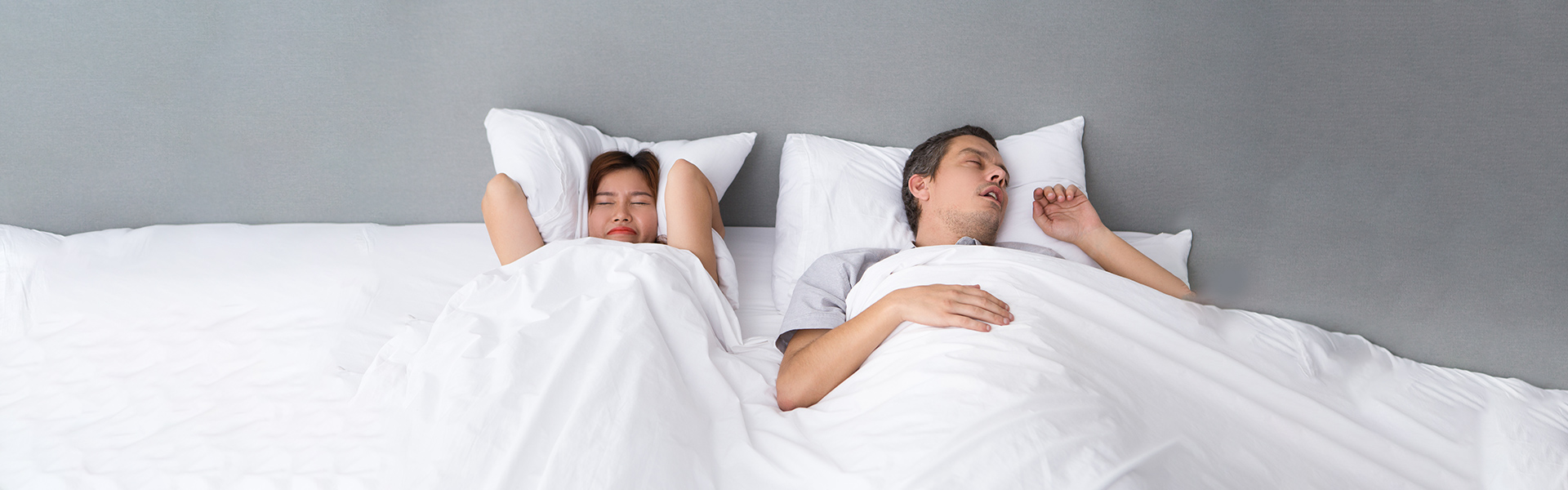
Many people do not know they have sleep apnea until a partner notices breathing changes at night. Others seek help because they feel tired every day.
The most common sleep apnea symptoms often show up during sleep or shortly after waking:
- Loud or frequent snoring
- Daytime fatigue
- Morning headaches
- Gasping or choking during sleep
- Dry mouth upon waking
- Trouble focusing during the day
- Mood changes or irritability
Because the signs of sleep apnea can resemble stress, fatigue, or poor sleep habits, a proper evaluation matters.
Why Sleep Apnea Treatment Is Important
Sleep apnea affects more than sleep. When breathing pauses at night, the body may not get steady oxygen. This can place stress on the heart, brain, and body.
Untreated sleep apnea may contribute to:
- Poor sleep quality
- Daytime drowsiness
- Trouble concentrating
- Morning headaches
- Higher risk of long-term health complications
Treatment can support easier breathing, more restful sleep, and better daytime function. It is also important because sleep apnea can worsen over time if the cause is not addressed.
What Is the Best Treatment for Sleep Apnea?
There is no single best sleep apnea treatment for every case because airway structure, diagnosis, and comfort all matter.
Common options include:
CPAP Therapy
CPAP stands for continuous positive airway pressure. It uses a machine and mask to send air into the airway during sleep. CPAP therapy may help manage moderate to severe sleep apnea when it is used consistently and as directed.
Oral Appliance Therapy
During oral appliance therapy, a custom device is worn at night to help keep the airway more stable. This approach may be considered for mild to moderate obstructive sleep apnea or when CPAP use is not well tolerated.
Lifestyle Changes
Healthy habits may support treatment. These may include maintaining a healthy weight, sleeping on your side, avoiding alcohol before bedtime, and keeping a consistent sleep schedule.
Other Medical Options
Some patients may need care from a sleep physician or another medical specialist. In select cases, additional therapies may be considered.
The discussion around CPAP vs oral appliance often comes down to severity, comfort, medical guidance, and nightly use.
Can Sleep Apnea Be Treated Without CPAP?
Yes, some patients may be able to manage sleep apnea without a CPAP machine, depending on the condition.
Among the available CPAP alternatives, custom oral appliances are often discussed when comfort and consistency are concerns. With dental treatment for sleep apnea, the goal is to support a more open airway using a custom-fitted oral device.
Oral appliances may offer:
- A smaller, more comfortable design
- Quiet use during sleep
- Easy portability
- No mask or hose
- Custom fit from a dental professional
A dentist does not independently diagnose sleep apnea. Instead, the dentist may coordinate with a sleep physician for diagnosis, treatment planning, and follow-up care.
How Oral Appliance Therapy Works
Oral appliance therapy involves a custom-fitted device that sits over the teeth, similar in design to a mouthguard used at night. It gently moves the lower jaw forward during sleep.
This forward position helps reduce airway narrowing during sleep. When the airway stays more open, breathing may improve, and sleep interruptions may decrease.
The process usually includes:
- Dental and airway evaluation
- Review of sleep study findings, if available
- Digital or physical impressions
- Custom appliance fitting
- Adjustment visits
- Ongoing follow-up
A custom-fitted device is important for comfort, safety, and proper function. Over-the-counter mouthguards are not the same as dentist-guided sleep apnea appliances.
Who is the Right Candidate for Sleep Apnea Treatment?
Candidacy depends on the diagnosis, sleep apnea severity, oral health, and airway needs.
Oral appliance treatment may be suitable for patients who:
- Have mild to moderate obstructive sleep apnea
- Snore frequently and have been evaluated for obstructive sleep apnea
- Wake up tired despite enough sleep
- Cannot tolerate CPAP
- Want a travel-friendly treatment option
- Have been referred by a physician or sleep specialist
A sleep apnea dentist in Bronx NY may evaluate bite comfort, jaw position, appliance fit, and long-term follow-up needs.
What to Expect During Treatment
Treatment often begins with a consultation and review of symptoms. Your dentist may ask about symptoms, sleep patterns, snoring, medical history, and any prior sleep testing.
A typical process may include:
- Consultation: Review of symptoms and oral health
- Sleep Study: If needed, a physician may order testing to confirm sleep apnea
- Treatment Planning: Evaluation of whether an oral appliance is appropriate
- Device Fitting: A custom appliance is made for comfort and function
- Follow-Up Visits: Adjustments help improve fit and effectiveness
Because oral appliances may need small adjustments, sleep apnea treatment near Bronx can make follow-up visits easier to manage.
Tips to Improve Sleep Along with Treatment
Professional treatment may work better when paired with healthy sleep habits.
Helpful steps include:
- Sleep on your side when possible
- Keep a consistent bedtime
- Avoid alcohol close to bedtime
- Maintain a healthy weight
- Treat nasal congestion when present
- Avoid heavy meals late at night
- Keep the bedroom quiet and dark
These habits do not replace professional care, but they can support better sleep.
Final Thoughts
Sleep apnea can affect energy, focus, mood, and long-term health. CPAP is a common treatment, but it is not the only option. For some patients, a custom oral appliance may offer a comfortable CPAP alternative.
If you have loud snoring, daytime fatigue, morning headaches, or gasping during sleep, it may be time to seek guidance. The dental team at National Dental Bronx can help patients understand oral appliance options and coordinate care when a sleep study or physician input is needed.
Schedule a visit to review your symptoms and explore treatment options for better sleep and comfort.
FAQ
Can sleep apnea improve without treatment?
Sleep apnea typically does not resolve on its own without proper treatment. Some symptoms may improve with lifestyle changes, but professional evaluation is still important.
Is CPAP the Only Treatment Option?
No. CPAP is common, but oral appliances, lifestyle changes, and other medical options may help depending on the case.
Are Dental Devices Effective for Sleep Apnea?
Dental devices can be effective for many patients with mild to moderate obstructive sleep apnea. They must be custom-fitted and monitored by a dentist.
How Long Does Treatment Take to Work?
Some patients notice improvement within days or weeks. The timeline depends on the appliance fit, severity of sleep apnea, and follow-up adjustments.